How to Switch Dog Food Safely: A Complete Transition Guide
Whether you’re upgrading to a higher-quality formula, addressing a health condition, or your dog has simply outgrown their current life stage, switching dog food is something almost every owner faces at some point. Done carelessly, it can trigger days of vomiting, diarrhea, or a dog who simply refuses to eat. Done properly, it’s a smooth, stress-free process. Here’s exactly how to do it right.
Why Sudden Diet Changes Cause Problems
A dog’s digestive system relies on a stable population of gut bacteria that’s adapted to efficiently break down their current diet. When you introduce a new food abruptly, these bacteria haven’t had time to adjust to different protein sources, fat levels, or fiber content, which commonly leads to digestive upset — vomiting, loose stools, gas, or reduced appetite. This is true even when switching from one high-quality food to another equally high-quality food; it’s the abruptness of the change, not necessarily the quality difference, that most often causes problems.
The Standard Transition Timeline
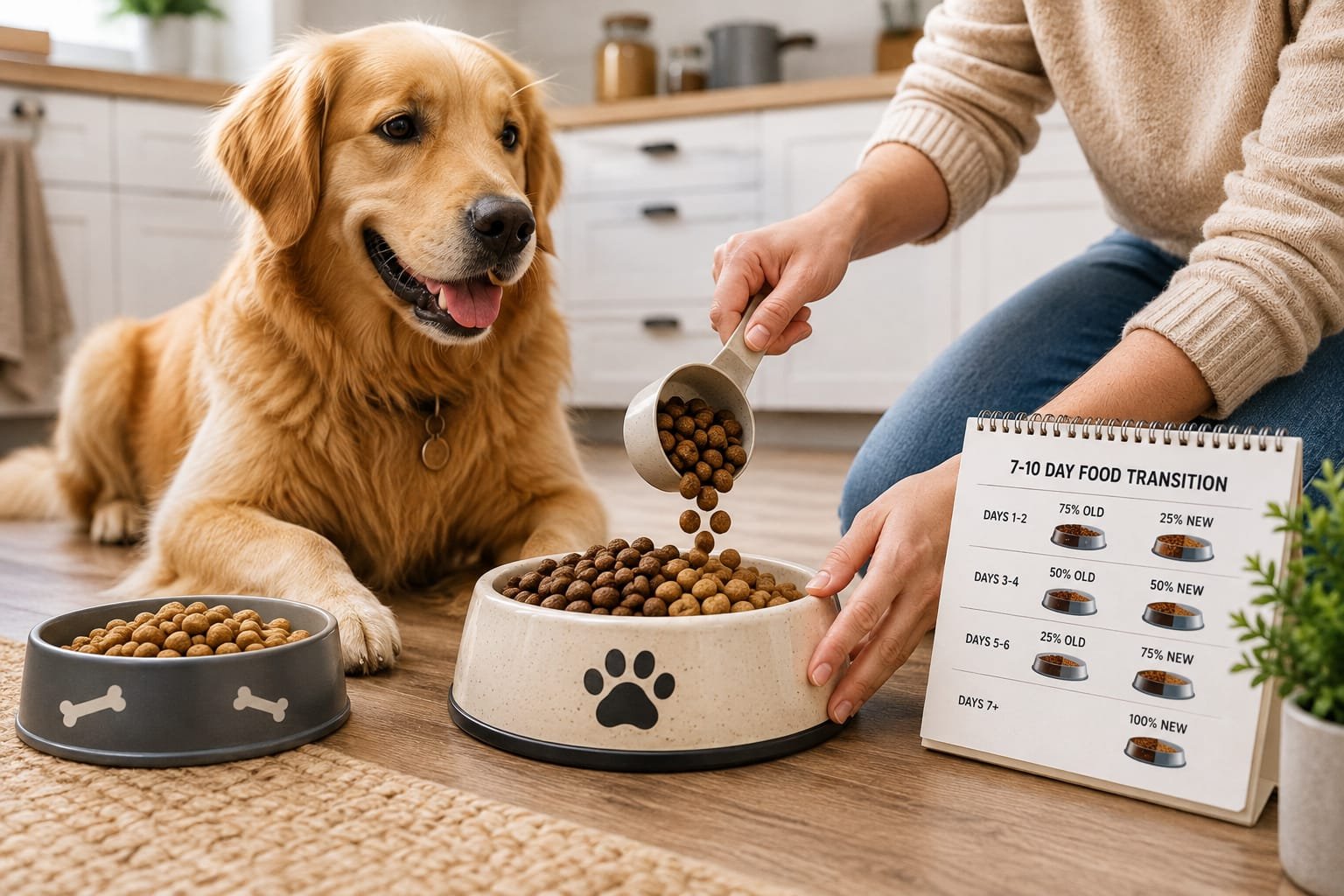
For most healthy adult dogs, a 7 to 10 day gradual transition works well:
Days 1-2: 75% old food, 25% new food
Days 3-4: 50% old food, 50% new food
Days 5-6: 25% old food, 75% new food
Days 7 and beyond: 100% new food
Throughout this process, watch your dog’s stool quality, appetite, and energy levels closely. If you notice signs of digestive upset at any stage, slow down stay at the current ratio for a few extra days, or even step back to the previous ratio, before continuing forward.
Extended Transitions for Sensitive Dogs
Dogs with a history of digestive sensitivity, known food allergies, or those who are simply prone to an upset stomach with any change often benefit from a longer, more gradual transition typically 10 to 14 days, sometimes longer:
Days 1-3: 90% old food, 10% new food
Days 4-6: 75% old food, 25% new food
Days 7-9: 50% old food, 50% new food
Days 10-12: 25% old food, 75% new food
Days 13-14: 100% new food
For dogs with a particularly sensitive history, some owners extend this even further, moving in smaller increments over three weeks or more. Patience here genuinely pays off in avoiding a stressful, messy transition.
When You Might Need an Even Slower Approach
Certain situations call for extra caution:
- Dogs with a history of pancreatitis sudden changes in fat content can trigger flare-ups, so transitions should be especially gradual and ideally guided by your vet
- Dogs recovering from illness or surgery their digestive systems may already be more vulnerable during recovery
- Puppies transitioning from mother’s milk or a breeder’s diet should be introduced to solid food gradually, following guidance from your vet or breeder
- Dogs switching due to a diagnosed food allergy in these cases, your vet may recommend a more structured elimination approach rather than a standard gradual mix, particularly if you’re trying to identify a specific trigger ingredient
Reasons You Might Need to Switch Foods
Life stage changes: Moving from puppy to adult food, or adult to senior food, as your dog’s nutritional needs shift with age.
Health conditions: A new diagnosis kidney disease, allergies, digestive issues, obesity often requires a therapeutic diet change, typically guided by your vet.
Quality upgrade: Many owners choose to move to a higher-quality formula as they learn more about pet nutrition or as their dog’s needs change.
Availability issues: Sometimes a preferred food becomes unavailable, discontinued, or reformulated, requiring an unplanned switch.
Picky eating or boredom: Some owners rotate between a few trusted formulas to keep mealtime interesting, though this should still be done gradually with each switch.
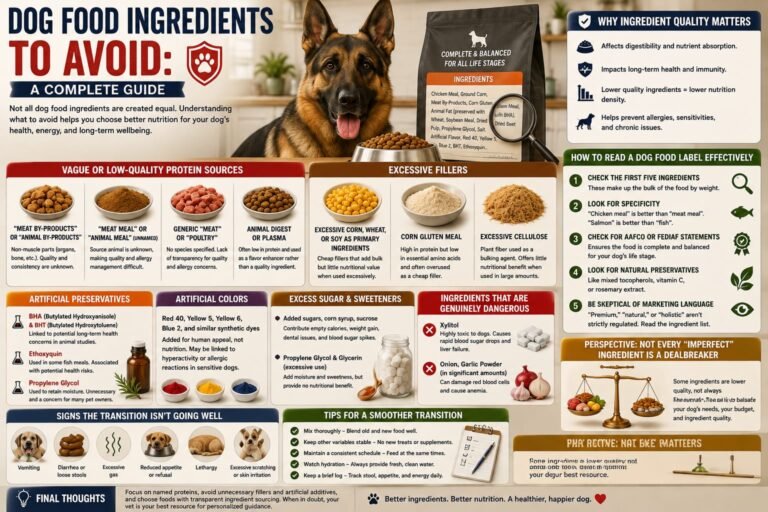
Signs the Transition Isn’t Going Well
Keep an eye out for these signs during any food transition, and slow down or pause the process if you notice them:
- Vomiting
- Diarrhea or notably loose stools
- Excessive gas
- Reduced appetite or complete food refusal
- Lethargy
- Excessive scratching or skin irritation (which could indicate a reaction to a new ingredient)
Mild, brief loose stools during the first couple of days of a transition aren’t unusual, but persistent or worsening symptoms warrant slowing the process down significantly, or consulting your vet if symptoms are severe or don’t improve.
Tips for a Smoother Transition
Mix thoroughly: Simply placing new food on top of old food doesn’t achieve the same gradual exposure as properly mixing the two together in the bowl.
Keep other variables stable: Avoid introducing new treats, supplements, or other dietary changes during a food transition, since this makes it harder to identify the cause if digestive upset occurs.
Maintain a consistent feeding schedule: Stick to your dog’s normal meal times and frequency throughout the transition to minimize additional disruption.
Watch hydration: Make sure fresh water remains available at all times, particularly important if you notice any loose stools during the transition.
Keep a brief log: Jotting down daily notes on stool quality, appetite, and energy can help you identify exactly when and if problems arise, making it easier to adjust the pace accordingly.
Transitioning Between Different Food Types
Switching between two dry kibbles generally follows the standard timeline described above. However, some transitions require extra consideration:
Dry to wet (or vice versa): The significant difference in moisture and texture can sometimes cause more noticeable digestive adjustment, so consider extending the transition slightly.
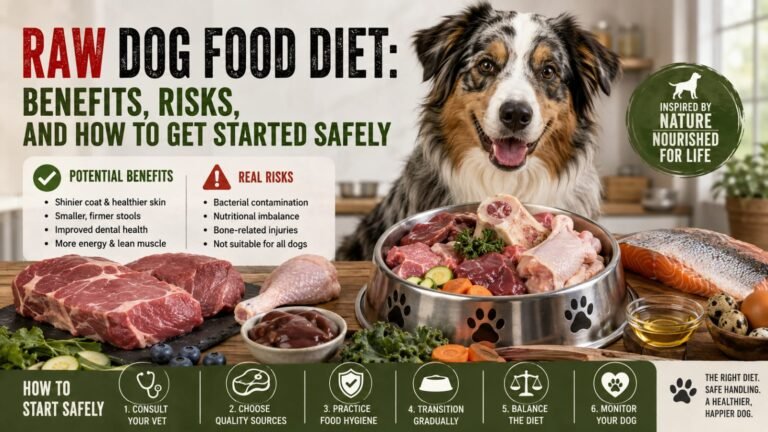
Kibble to raw: This is a more significant dietary shift and often benefits from a slower, more deliberate transition, alongside strict food safety practices given raw food’s higher bacterial risk.
Switching protein sources: If you’re changing from, say, a chicken-based formula to a fish-based one, and your dog has never eaten fish before, watch closely for any signs of a new sensitivity during the transition.
What If Your Dog Refuses the New Food?
Some dogs are simply more resistant to change than others. If your dog seems reluctant to eat during a transition:
- Slow the transition pace even further, spending extra days at each ratio
- Try lightly warming wet food or adding a small amount of warm water to kibble to enhance aroma and palatability
- Avoid the temptation to offer excessive treats or alternatives, which can reinforce picky eating behavior
- If refusal persists beyond a couple of days, or your dog seems unwell rather than simply picky, consult your vet to rule out an underlying issue
Final Thoughts
Switching your dog’s food doesn’t have to be stressful for either of you. The key is patience — resist the urge to rush the process, even if you’re excited about a new, higher-quality formula. A gradual transition, typically over 7 to 14 days depending on your dog’s individual sensitivity, gives their digestive system the time it needs to adjust smoothly. Pay close attention to your dog’s stool quality, appetite, and energy throughout the process, and don’t hesitate to slow down or consult your vet if anything seems off. Done right, your dog will settle into their new food without missing a beat.